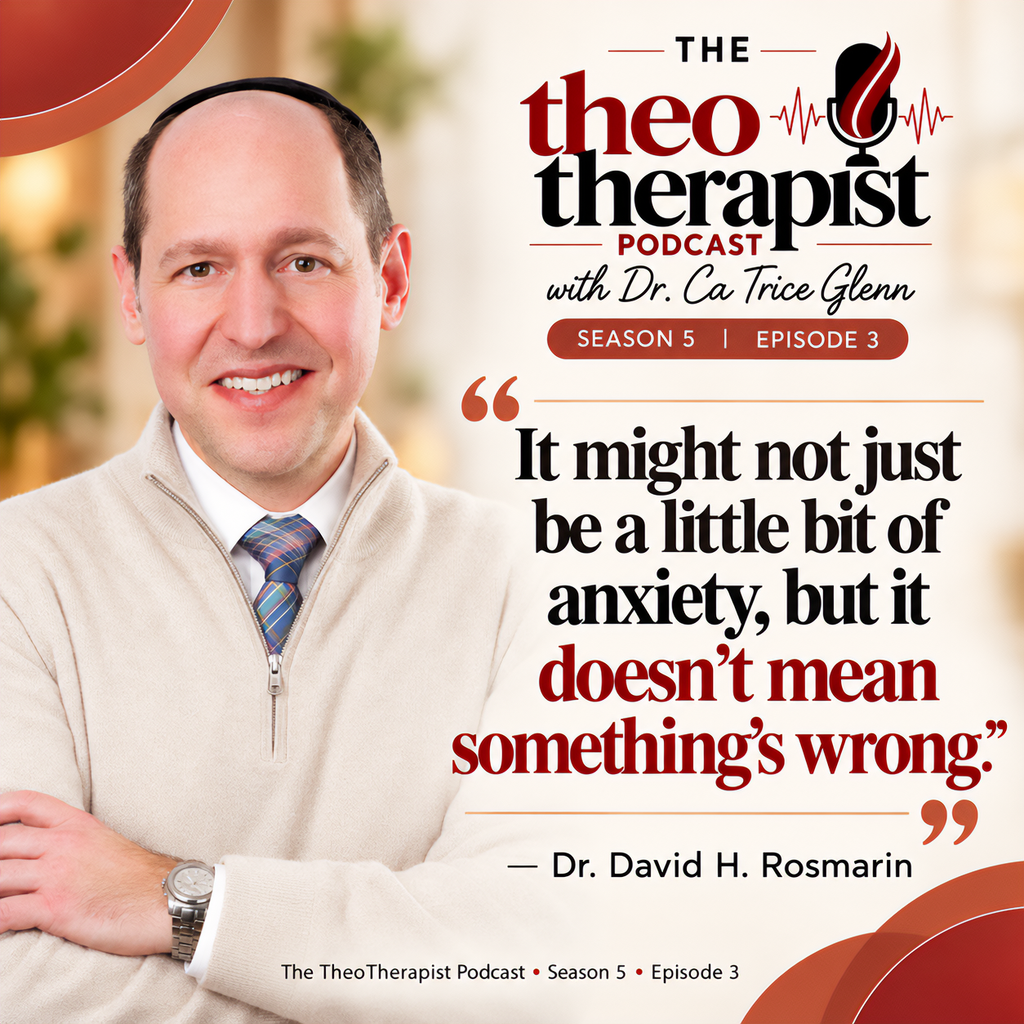


In this episode of The TheoTherapist Podcast, Dr. Ca Trice Glenn welcomes Dr. David H. Rosmarin for a thoughtful conversation on anxiety, spirituality, mental health, and the fear of uncertainty.
The TheoTherapist Podcast, where we explore the intersections connecting theology and mental health. The TheoTherapist podcast is hosted by Dr. Ca Trice Glenn, a practical theologian and licensed therapist.
Episode Timeline
00:25 Welcome to The TheoTherapist Podcast
00:38 Introducing Dr. David H. Rosmarin
02:52 How Spirituality Entered Clinical Care
05:48 How Anxiety Became Part of His Work
06:35 Working With Anxiety, Not Against It
08:18 Anxiety Does Not Always Mean Something Is Wrong
09:03 Faith Communities and Anxiety Stigma
12:46 Do the Work and Let Go of the Rest
14:06 Letting Go Does Not Mean Doing Less
18:58 Vulnerability Creates Connection
20:55 Faith Leaders and Psychiatric Care
Dr. Rosmarin brings a unique perspective to the intersection of spirituality and evidence-based mental health care. He is an associate professor at Harvard Medical School, director of the Spirituality and Mental Health Program at McLean Hospital, founder of Center for Anxiety, and author of Thriving with Anxiety: Nine Tools to Make Your Anxiety Work for You.
Together, Dr. Glenn and Dr. Rosmarin explore why anxiety is not always something to fight, how faith can help people live with uncertainty, why spiritual bypassing can keep people from doing needed emotional work, and how faith communities can become safer spaces for people navigating anxiety.
In this episode, they discuss:
• How spirituality and mental health connect
• Why anxiety does not always mean something is wrong
• How anxiety can become motivation
• Why uncertainty is part of being human
• What it means to do the work and let go of the outcome
• Spiritual bypassing and emotional avoidance
• The four steps for managing anxiety: identify, share, embrace, and let go
• Why vulnerability creates connection
• Why faith leaders need exposure to mental health care
• Practical first steps for people who are not ready for therapy yet
Dr. Rosmarin reminds us that the goal is not always to get rid of anxiety, but to learn how to use it constructively through practices like identifying, sharing, embracing, and letting go.
Podcast Host

Rev. Dr. Ca Trice Glenn, LPC, ACS
HostThrough counseling, consulting and training, Dr. Glenn shares her passion for wellness and balance. Over the last 20 years, she has held leadership positions in the entertainment, corporate, information technology and counseling fields. In addition to her professional experience, she also lives out her life’s vocational calling as an ordained minister. Dr. Glenn uses her gifts to educate and care for others seeking holistic wellness. Through counseling, consulting and training, Dr. Glenn shares her passion for wellness and balance.
Guest
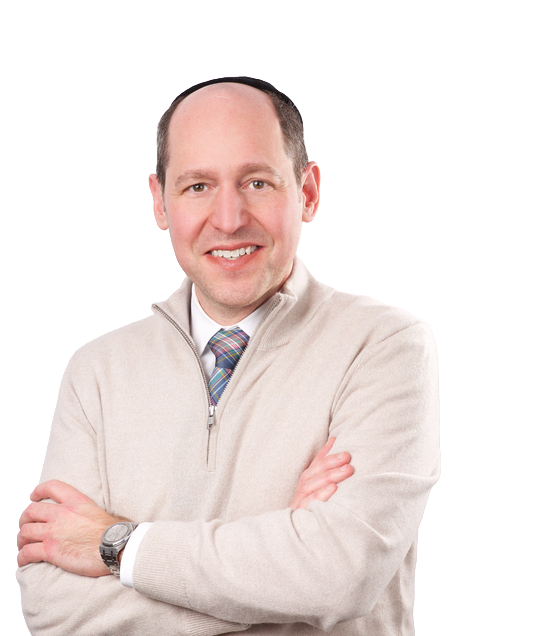
David H. Rosmarin, PhD
GuestDavid H. Rosmarin, PhD, is an Associate Professor at Harvard Medical School and Director of the McLean Hospital Spirituality & Mental Health Program. He innovates methods for integrating spirituality into evidence-based mental health treatments and is a widely cited researcher in this area who has authored over 100 peer-reviewed publications. Dr. Rosmarin is also Founder of Center for Anxiety, which has serviced over 10,000 clients in multiple states. His clinical work, research, and recent book Thriving with Anxiety: 9 Tools to Make Your Anxiety Work for You have been featured in Good Morning America, the New York Times, the Wall Street Journal, the Boston Globe, and on the TEDx stage.
The TheoTherapist Podcast
“Anxiety doesn’t mean something is wrong.” – Dr. David H. Rosmarin
“Faith without dark days is not the story.” – Dr. David H. Rosmarin
“Faith leaders need exposure to mental health care.” – Dr. David H. Rosmarin
“We were not made to walk this journey alone.” – Dr. Ca Trice Glenn