

In this episode of The TheoTherapist Podcast, Dr. Ca Trice Glenn welcomes Rev. Dr. Monica A. Coleman, theologian, author, and ordained AME elder, for a thoughtful conversation about faith, depression, womanist theology, and the courage to tell the truth.
The TheoTherapist Podcast, where we explore the intersections connecting theology and mental health. The TheoTherapist podcast is hosted by Dr. Ca Trice Glenn, a practical theologian and licensed therapist.
Episode Timeline
00:53 Welcome to The TheoTherapist Podcast
01:45 Introducing Rev. Dr. Monica A. Coleman
03:33 The Guiding Question: Faith and Mental Illness
04:33 Growing Up in the Black Church
05:00 Discovering Women in Ministry
08:41 Why Dr. Coleman Wrote Bipolar Faith
10:05 Breaking the Silence About Mental Health
13:21 The Courage to Tell the Truth About Suffering
14:21 Mental Illness, Stigma, and Church Responses
15:47 Questioning Faith and Expanding Our Understanding of God
18:08 Losing Faith as Part of Spiritual Growth
21:15 Breaking the Silence from the Pulpit
22:13 Building Mental Health Support and Referral Systems
23:59 Womanist Theology and Black Women's Stories
28:58 Understanding Spiritual Bypassing
29:48 You Can Be Blessed and Stressed
33:37 Lament, Honesty, and Emotional Pain
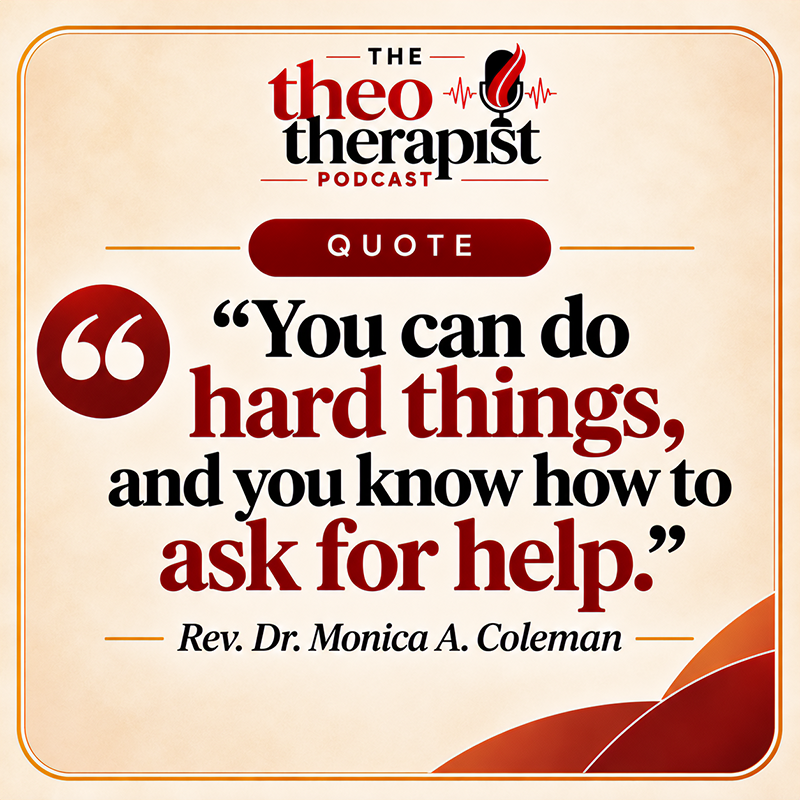
35:16 Doing Hard Things and Asking for Help
38:28 Recognizing Intimate Partner Violence
Can Faith Make Room for Depression, Doubt, and Honest Suffering?
What happens when the language of faith no longer reflects the reality of someone’s emotional pain? How can churches offer hope without minimizing suffering or creating shame around mental illness?
Drawing from her memoir, Bipolar Faith, Dr. Coleman reflects on her experiences with depression, her calling to ministry, and the importance of creating faith communities where people can speak openly about their mental health.
Breaking the Silence Around Mental Illness
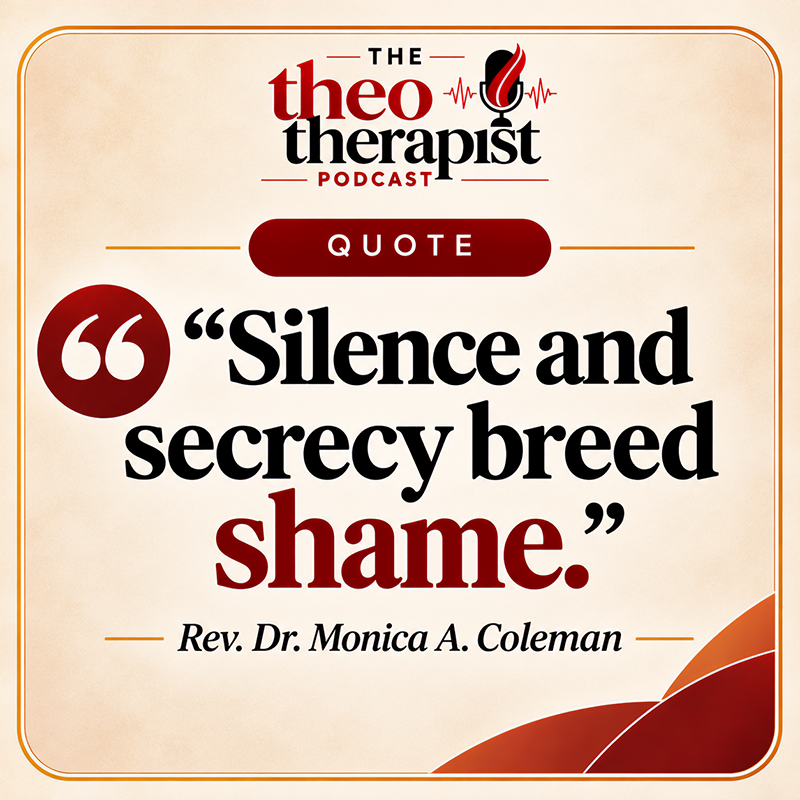
Dr. Coleman challenges religious communities to recognize how silence and secrecy can reinforce stigma. She explains why sharing her own experiences became an important part of her calling and why churches must learn to respond to mental health concerns with honesty, compassion, and practical support.
Their conversation considers the responsibility of clergy to address mental illness from the pulpit while developing relationships with counselors, social workers, and community organizations that can provide additional care.
When Faith Changes
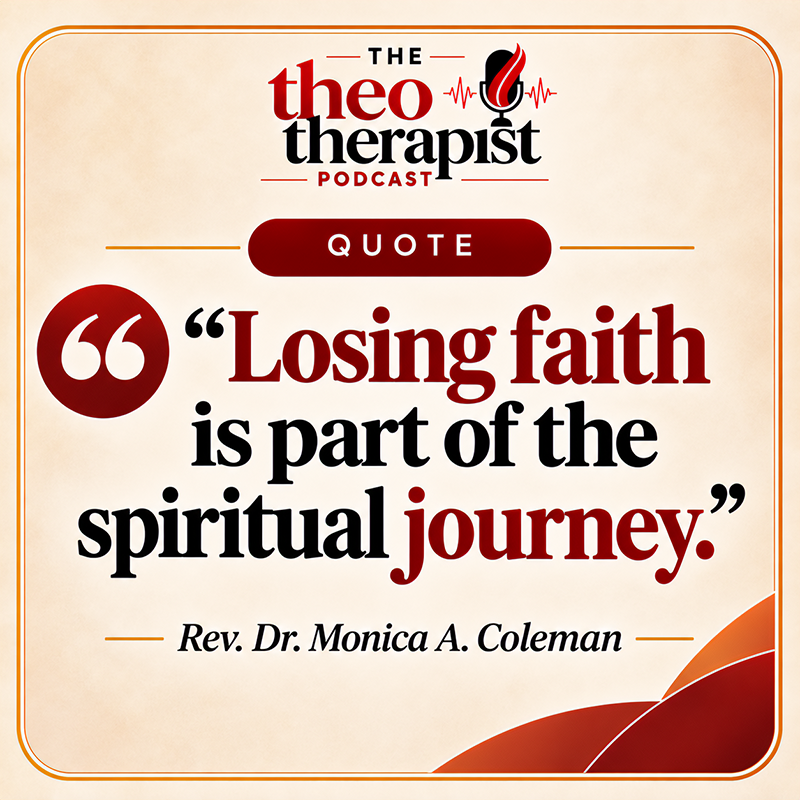
One of the episode’s most compelling discussions concerns the changing nature of faith. Dr. Coleman explains why questioning religious beliefs, experiencing doubt, or even losing faith can be part of spiritual development.
Rather than treating these experiences as failures, faith communities can create space for individuals to wrestle with difficult questions and discover new understandings of God.
Spiritual Bypassing: When Religious Language Avoids Pain
Dr. Glenn and Dr. Coleman examine spiritual bypassing, the practice of using religious ideas or expressions to avoid confronting painful emotions and experiences.
Dr. Coleman challenges familiar expressions such as “too blessed to be stressed,” reminding listeners that spiritual faithfulness does not eliminate stress, grief, or depression.
The discussion invites church leaders and members to consider whether their language creates room for honesty or pressures people to conceal their struggles.
Womanist Theology and the Courage to Tell Our Stories
Dr. Coleman also reflects on the importance of Black women’s lived experiences, cultural traditions, music, family, and storytelling within womanist theology.
She explains why meaningful spiritual care must recognize the whole person rather than separating religious identity from culture, relationships, emotional experiences, and mental health.
From Encouragement to Practical Care
The conversation moves beyond words of encouragement to explore concrete ways faith communities can help people experiencing mental health challenges.
Dr. Coleman emphasizes the importance of knowing when to ask for help, developing trusted referral networks, and recognizing forms of intimate partner violence that may not involve physical injury.
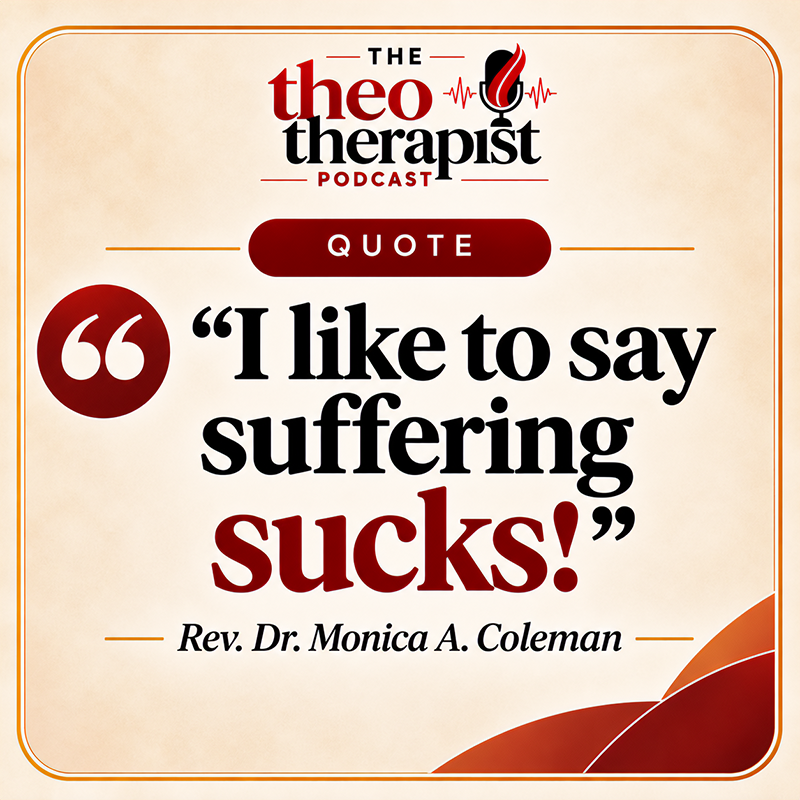
Throughout the discussion, she offers a central message: acknowledging suffering does not diminish faith. Honest conversations can make room for healing, support, and deeper spiritual understanding.
Podcast Host

Rev. Dr. Ca Trice Glenn, LPC, ACS
HostThrough counseling, consulting and training, Dr. Glenn shares her passion for wellness and balance. Over the last 20 years, she has held leadership positions in the entertainment, corporate, information technology and counseling fields. In addition to her professional experience, she also lives out her life’s vocational calling as an ordained minister. Dr. Glenn uses her gifts to educate and care for others seeking holistic wellness. Through counseling, consulting and training, Dr. Glenn shares her passion for wellness and balance.
Guest

Dr. Monica A. Coleman
GuestIn classrooms, pulpits, conference rooms, and books, Monica A. Coleman is committed to connecting faith and social justice. Answering her call to ministry at age 19, Dr. Coleman brings her experiences in evangelical Christianity, black church traditions, global ecumenical work, and indigenous spirituality to her discussions of religion. Dr. Coleman speaks widely on navigating change, religious diversity, mental wellness, and church responses to sexual and domestic violence. A renowned leader in process theology and liberation theologies, Dr. Coleman speaks throughout the U.S. and in international settings. In every presentation, she educates, cultivates and empowers people of faith and purpose to connect their beliefs with both their personal experiences and social action. Coleman speaks on many of the issues that religious leaders avoid: sexual and domestic violence, mental health, postmodernism and religious diversity. She offers key insights about these issues with pragmatic solutions for individuals and communities.
Connect with Dr. Coleman
Rev. Dr. Monica A. Coleman is a theologian, author, professor, and ordained elder in the African Methodist Episcopal Church. Her books include Bipolar Faith and Making a Way Out of No Way. Her scholarship and advocacy address womanist theology, mental health, spirituality, and the experiences of people whose stories are often overlooked.
Connect with Dr. Coleman
Website: https://monicaacoleman.com
Instagram: https://instagram.com/revdrmonica
Facebook: https://facebook.com/revdrmonica
Free newsletter: Visit MonicaAColeman.com to subscribe.
Listen, Watch, and Share
Watch the full conversation, listen on your preferred podcast platform, and share this episode with someone interested in mental health, theology, or creating healthier faith communities.
Podcast Episode Quotes
“I think I wrote the book I wanted to read. And I wrote the book I needed.” – Dr. Monia A. Coleman
“You have to have some spaces where you can bring your whole self.” – Dr. Monia A. Coleman
“For me there was always a God that was bigger than a particular institution.” – Dr. Monia A. Coleman
“You can’t heal what you won’t acknowledge.” – Dr. Ca Trice Glenn